
 By admin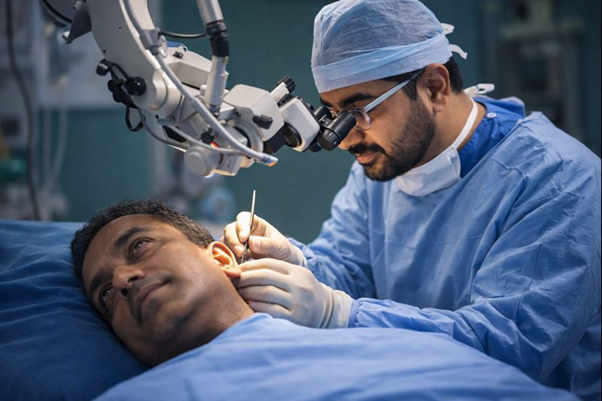
Ear surgery is a specialized medical procedure performed to correct structural, functional, or aesthetic issues related to the ear. Whether the aim is to repair a perforated eardrum, reconstruct damaged tissues, or improve hearing, the procedure requires precision, expertise, and advanced technology. Many individuals consider such surgery when facing chronic ear infections, hearing difficulties, congenital deformities, or cosmetic concerns, yet they often hesitate because of uncertainties surrounding the cost.
The cost of ear surgery varies widely depending on the complexity of the condition, the type of procedure required, and the healthcare facility providing treatment.
Patients seeking accurate estimates and expert care often begin by consulting the best ENT doctor in Vadodara, who can offer a thorough evaluation, discuss suitable treatment options, and outline the financial considerations involved.
Type of Ear Surgery Required
The nature of the surgical procedure is one of the primary determinants of the total cost. Surgery of the ear encompasses a wide range of treatments, each with varying levels of complexity.
Common types include:
Tympanoplasty: Repairing a perforated eardrum
Mastoidectomy: Removing infected mastoid bone
Stapedectomy: Improving hearing for otosclerosis patients
Otoplasty: Cosmetic reshaping of the outer ear
Cochlear implant surgery: Restoring hearing for severe hearing loss
Myringoplasty: Closing small eardrum perforations
More complex or medically necessary surgeries typically cost more due to longer operating times, advanced tools, and specialized expertise required.
Severity and Complexity of the Condition
Each patient’s condition is unique, and the complexity of the ear problem significantly influences the final cost. For example, a minor eardrum perforation repair is less expensive than addressing chronic infections, damaged middle-ear bones, or congenital abnormalities.
Factors influencing complexity include:
- Extent of damage
- Presence of infection
- Involvement of inner-ear structures
- Prior surgeries or scar tissue
- Underlying chronic conditions
Patients with complicated cases may require additional diagnostic tests, longer procedures, or specialized postoperative care, all of which increase pricing.
Surgeon’s Experience and Expertise
The qualifications, experience, and reputation of the ENT surgeon play a substantial role in determining the cost of surgery. Highly skilled surgeons, especially those trained in micro or reconstructive ear procedures, typically command higher fees—and for good reason.
Why experience matters:
- Higher success rates
- Reduced risk of complications
- Ability to handle complex cases
- Precision in delicate procedures
- Better overall patient outcomes
Choosing a well-experienced specialist not only impacts cost but also ensures safety and long-term results.
Hospital or Clinic Facility Fees
Healthcare facilities differ widely in terms of infrastructure, technology, and service quality. The cost of surgery is influenced by whether the procedure is performed in a multi-specialty hospital, a dedicated ENT center, or a smaller clinic.
Facilities with higher fees often provide:
- Advanced diagnostic imaging
- State-of-the-art operating rooms
- Experienced nursing teams
- High standards of hygiene
- Post-surgical monitoring and care
Premium facilities may charge more, but they also ensure a safer and more comfortable experience for patients.
Diagnostic Tests and Pre-Surgical Evaluations
Before undergoing the surgery, doctors typically recommend detailed evaluations to understand the extent of the ear condition and plan the procedure accurately.
Pre-operative diagnostics may include:
- CT scans or MRI
- Audiometry (hearing tests)
- Tympanometry
- Blood tests
- Middle-ear evaluations
These tests add to the overall cost but are essential for creating a safe and effective surgical plan.
Anesthesia and Operating Room Charges
Anesthesia is a critical component of any surgery, and its cost depends on the type and duration of the procedure. Ear surgeries may require local, general, or sedation anesthesia, each with its own cost structure.
Influencing factors include:
- Duration of the surgery
- Type of anesthesia used
- Expertise of the anesthesiologist
- Medications administered
Operating room time also adds to the final cost, especially for procedures requiring advanced equipment or multiple surgical steps.
Use of Specialized Equipment or Implants
Certain ear surgeries, such as stapedectomy or cochlear implants, require specialized devices and materials. These components significantly increase the total cost.
Examples of cost-influencing equipment:
- Prosthetic ear bones (ossicular implants)
- Surgical lasers
- High-resolution microscopes
- Cochlear implant devices
- Grafting materials
Advanced medical technology enhances precision and success rates but adds to overall expenses.
Hospital Stay and Post-Operative Care
Depending on the surgery type, some patients may require an overnight stay or extended monitoring. Others may be discharged the same day. Post-operative medications, dressing changes, and follow-up appointments also affect total cost.
Post-surgery care may include:
- Pain management
- Antibiotics
- Ear drops
- Wound care
- Routine follow-up visits
Comprehensive post-operative support ensures proper healing and long-term success.
Geographic Location of the Facility
The cost of medical care varies significantly from one region to another. Major metropolitan cities generally have higher healthcare expenses due to elevated operating costs, advanced technology, and higher living standards.
Patients in rural areas may find lower prices but fewer specialized facilities or surgeons. Choosing a location with experienced specialists and modern equipment can impact cost but ensure quality care.
Insurance Coverage and Reimbursement
Insurance can significantly reduce out-of-pocket expenses for medically necessary ear surgeries. Cosmetic procedures, such as otoplasty, are usually excluded from standard insurance policies.
Insurance considerations include:
- Type of surgery covered
- Hospital or doctor network
- Diagnostic test inclusions
- Deductible and co-pay amounts
- Pre-authorization requirements
Consulting insurance providers early helps avoid unexpected expenses.
Follow-Up Treatments or Additional Procedures
Some patients may require additional procedures depending on their healing process or the complexity of their condition. Follow-up treatments can include adjustments to implants, scar revisions, or additional cleanings.
While not always necessary, these procedures add to the overall long-term cost of the surgery.
Medication Costs After Surgery
Post-operative medications can be a substantial part of the total surgical expense. Patients typically require:
- Pain relievers
- Antibiotics
- Anti-inflammatory medications
- Ear drops
- Specialized ointments
Medication needs depend on the complexity of the procedure and the patient’s response to treatment.
Hidden Costs That Patients Often Overlook
In addition to the major cost components, several smaller expenses can accumulate during the surgical process.
Hidden costs may include:
- Travel costs to and from the facility
- Time off work
- Follow-up test fees
- Replacement bandages or ear pads
- Revision visits if complications arise
Planning ahead helps patients manage their budget more effectively.
Conclusion
The cost of surgery can vary significantly depending on numerous factors, including the type of procedure, surgeon’s expertise, diagnostic needs, facility standards, anesthesia, equipment used, and post-operative care. Understanding these variables helps patients make informed decisions about their treatment journey and budget realistically. While cost is an important consideration, choosing an experienced specialist and well-equipped facility ensures better outcomes, fewer complications, and long-term satisfaction with the results. Investing in quality care ultimately provides improved hearing, comfort, and overall quality of life.